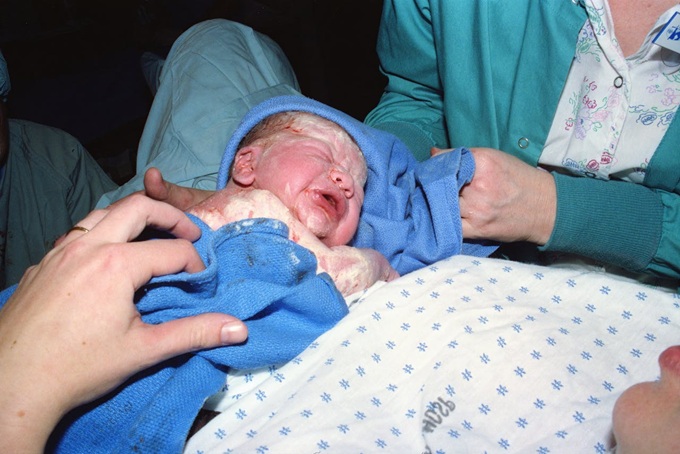

Childbirth is often described as one of life’s most meaningful moments. While most deliveries are safe, complications can sometimes arise, leading to what are known as birth injuries.
These injuries can range from mild and temporary conditions to more serious issues requiring long-term care. Understanding the most common types of birth injuries can help parents recognize early signs, seek timely medical support, and make informed decisions about their child’s care.
What are birth injuries?
Birth injuries refer to physical or neurological harm that occurs to a baby during pregnancy, labor, delivery, or shortly after birth. They are relatively uncommon, and many are minor and resolve without treatment. However, in some cases, birth injuries can lead to lasting health challenges.
These injuries can occur due to a variety of factors, including difficult labor, the baby’s position, the use of medical tools such as forceps or vacuum extractors, or complications like oxygen deprivation.
1. Brain injuries and oxygen deprivation
One of the most serious categories of birth injuries involves damage to the brain.
These injuries often occur when a baby’s brain does not receive enough oxygen during delivery, a condition known as hypoxia. This can lead to conditions such as hypoxic-ischemic encephalopathy (HIE), which may affect cognitive development, motor skills, and overall neurological function.
Brain injuries can also result from bleeding in or around the brain, known as intracranial hemorrhage. In severe cases, brain injuries may lead to lifelong conditions such as cerebral palsy, which affects movement, coordination, and muscle tone.
2. Nerve injuries
Nerve damage is another common type of birth injury, often affecting the baby’s ability to move certain parts of the body. One well-known example is brachial plexus injury, which impacts the network of nerves controlling the arm and shoulder.
This type of injury can result in conditions like Erb’s palsy, where the baby experiences weakness or paralysis in one arm. These injuries typically occur when there is excessive pulling or stretching of the baby’s neck and shoulders during delivery.
3. Bone fractures
Although it may sound alarming, bone fractures are among the more common and often less severe birth injuries. The most frequently affected bone is the clavicle (collarbone), especially during difficult deliveries or when the baby is larger than average.
Other fractures may involve the arms or legs. These injuries usually heal well with proper care and immobilization. In most cases, infants recover fully without long-term complications, making this one of the more manageable types of birth injuries.
4. Head and scalp injuries
Head and scalp injuries are among the most frequently reported birth injuries. These can include conditions such as:
- Caput succedaneum: Swelling of the scalp caused by pressure during delivery
- Cephalohematoma: A collection of blood under the scalp
- Bruising or lacerations: Often caused by the use of delivery instruments
These injuries are usually temporary and resolve on their own within a few days or weeks. However, in rare cases, more serious head injuries such as skull fractures or internal bleeding may occur and require immediate medical attention.
5. Spinal cord injuries
Spinal cord injuries are rare but can be severe. They usually occur when there is excessive force or twisting during delivery, particularly in complicated births involving breech positioning.
Damage to the spinal cord can affect a baby’s movement, sensation, and overall physical development. While uncommon, these injuries often require specialized care and long-term rehabilitation.
6. Internal injuries
In some cases, internal organs such as the liver or spleen may be injured during delivery. These injuries are rare but can be serious if not diagnosed promptly.
Symptoms may include swelling, internal bleeding, or difficulty feeding. Early detection and medical intervention are critical to ensure the best possible outcome.
7. Facial injuries
Facial injuries can occur when pressure is applied to a baby’s face during delivery. One common example is facial nerve paralysis, which may cause temporary weakness or lack of movement on one side of the face. This condition often resolves on its own, but in some cases, further treatment may be necessary.
When to seek help
Recognizing the signs of a birth injury early can make a significant difference in a child’s recovery. Symptoms may include difficulty feeding, unusual muscle stiffness or weakness, excessive crying, or delayed developmental milestones.
If you suspect that your child may have suffered a birth injury, it is essential to consult a medical professional promptly. In some cases, families may also seek legal guidance to understand their rights and options. Resources from the Birth Injury Justice Center can provide valuable information and support for affected families.
Endnote
Birth injuries, while often unexpected, vary widely in severity and impact. Many are minor and resolve naturally, but others may require ongoing medical care and support.
By understanding the most common types of birth injuries, you can stay informed, recognize early warning signs, and advocate for your child’s health and well-being.
Sin comentarios