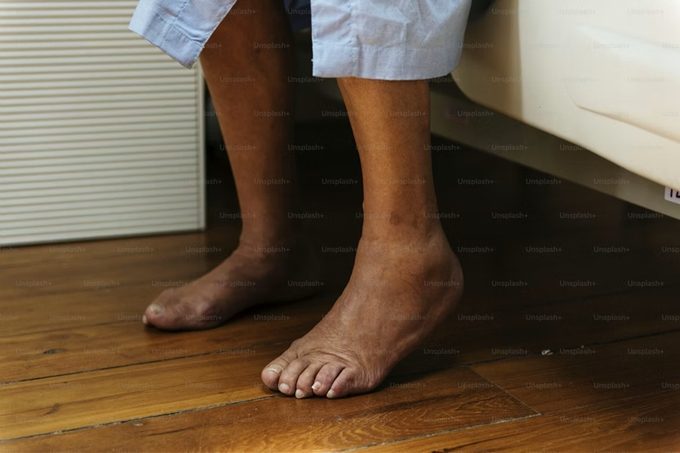

Spider veins are a widespread issue, affecting people of all ages. Over time, these tiny, visible veins can become more noticeable, especially as skin thins with age. While they’re usually harmless, many individuals seek treatment for cosmetic reasons or peace of mind. Visiting a vein doctor in Grand Rapids can help determine the cause and identify treatment options tailored to your needs.
This guide breaks down what spider veins are, why they form, how they’re diagnosed, and what you can do to treat or prevent them.
What Are Spider Veins?
Spider veins, also known as telangiectasias, are small blood vessels that sit close to the skin’s surface. They often appear as red, blue, or purple lines and may resemble a web or branching pattern. These veins commonly show up on the legs and face. Although they rarely cause medical problems, their appearance can be frustrating or affect confidence.
Why Spider Veins Develop
Genetics
Family history plays a major role. If close relatives have dealt with spider veins, there’s a higher chance you may develop them as well. Inherited weaknesses in vein walls or valves can make veins more likely to expand and become visible.
Hormonal Changes
Hormones also influence vein health. Many women notice spider veins during pregnancy, menopause, or puberty. Shifts in hormone levels can affect circulation and reduce vein elasticity, increasing the likelihood of vein dilation.
Extended Sitting or Standing
Jobs that involve long hours of sitting or standing can slow blood flow in the legs. When blood pools instead of circulating efficiently, pressure builds up inside the veins, causing them to stretch and appear near the skin.
Weight and Lifestyle Factors
Carrying extra weight places additional strain on leg veins. Lifestyle habits such as poor nutrition, limited physical activity, or smoking can further weaken blood vessels and worsen circulation.
How Spider Veins Are Diagnosed
When to Seek Medical Advice
Spider veins are typically harmless, but it’s wise to see a healthcare provider if you notice pain, swelling, skin color changes, or rapid progression. These symptoms could point to a more serious vein condition.
Evaluation and Testing
Diagnosis usually begins with a visual examination. If deeper vein issues are suspected, an ultrasound may be used to evaluate blood flow and rule out venous insufficiency or related conditions.
Treatment Options
At-Home and Lifestyle Approaches
Improving circulation can make a noticeable difference. Staying active, managing weight, and elevating the legs when resting all help reduce vein pressure. Compression stockings are also commonly recommended to support blood flow.
Medical Procedures
When home remedies aren’t enough, medical treatments may be considered. Sclerotherapy is a popular option that involves injecting a solution into the vein, causing it to close and gradually fade. Laser treatments can target smaller veins with precision, while endovenous laser treatment (EVLT) is often used for larger, problematic veins and requires minimal downtime.
Preventing Spider Veins
While prevention isn’t always possible, certain habits can lower the risk. Regular exercise, balanced meals, and maintaining a healthy weight support better circulation.
Avoid sitting or standing in one position for too long, wear comfortable shoes, and take breaks to move throughout the day. Elevating the legs when possible also helps reduce pressure in the veins.
Final Thoughts
Spider veins are common, but they don’t have to be permanent or overwhelming. Understanding what causes them and knowing your treatment options can make managing them much easier.
With the right combination of lifestyle changes and professional care, it’s possible to improve both vein health and confidence in your skin.
Sin comentarios